Understanding Car Finance

So, you want to buy a new car? Buying a new vehicle can be confusing and expensive. After the cost of a house or a divorce, it’s one of the most expensive purchases most people will make, so it’s important you take your time and consider what’s right for you when it comes to the best way to acquire a new vehicle.

In this article, I will discuss the pros and cons of each option so that you can make up your own mind about what’s right for you. I am not affiliated with any dealership network or financial institution, I’m not making any money out of this. I’m just a guy on the internet with a passion for cars and research.

Cash is king

The cheapest way to buy a car is to save up the money you want to spend in advance and just purchase the vehicle outright.

Unfortunately it’s also the least fun and requires proper adulting skills like patience and saving.

Buying safely

If you’re buying in a private sale, make sure you don’t transfer any money until you have the car in your possession. If buying used, and lets face it, few people buy new cars with cash, you will want to make sure the car is not an insurance write off so has outstanding finance first. Nobody wants to buy a lemon (sorry Keith).

If you can pay with credit card (then immediately pay the card balance), this gives you some extra protection on top of your statutory rights.

Negotiating when paying cash

One word of caution, when looking at cars in dealerships, do not tell them immediately that you want to pay in cash. Dealerships make most of their money from selling you finance deals and additional services like gap insurance. They’re not going to make as much money out of you if you’re paying in cold hard cash so it actually weakens your negotiation power.

Right now we are in a sellers market. There is so much demand for vehicles and limited production that used cars are selling sometimes for more than the list price of new cars. Dealers have little incentive to offer you discounts, regardless of whether you’re buying new or used vehicles so the best strategy is to bide your time, negotiate the price as best you can, then tell the dealer that you would like to pay in one lump sum instead of taking up that high interest finance deal.

Personal Loans

If you don’t have the money, you could take always take out a personal loan over a time period to suit you.

As you will be paying for the car in full, the car immediately belongs to you and this is often cheaper than taking out car finance through a dealership but the same negotiation rules apply as I mentioned for cash.

Cheapest finance option

I would recommend this option if cash isn’t an option. However, it’s worth remembering that you’re still responsible for the payments even if you sell the car or it is written off.

You can take out a loan for any period from 1 to 7 years, the better your credit rating, the more likely you will be accepted and the better the interest rate you will be offered. It is always best to use credit reference services to check your credit score. Many such services are free and offer deals that are soft checked against your file to give you a better idea of whether you will be accepted before you apply.

Check your credit score
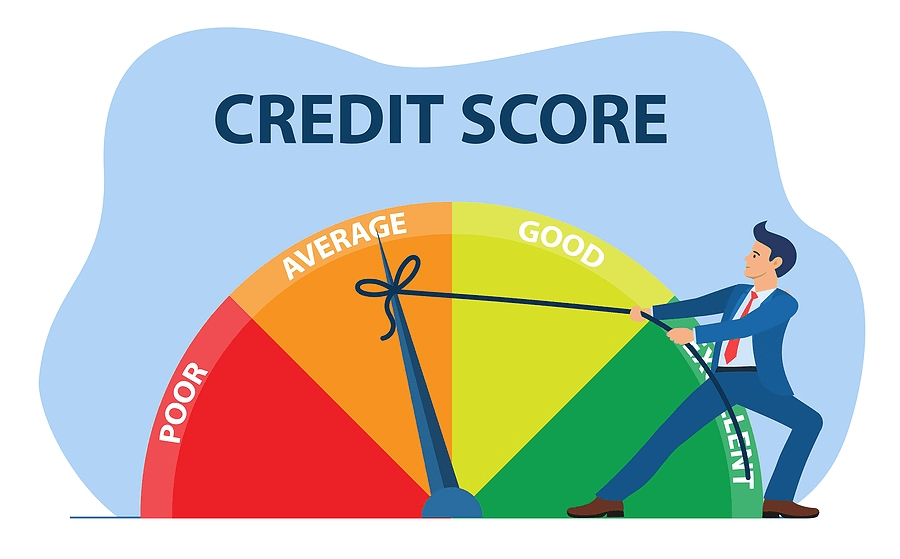
I use the Credit Karma App, the Clear Score App and Experian’s free monthly service (not the expensive Credit Expert offering) and Money Supermarket. There are three main credit reference agencies in the UK, Trans Union, Equifax and Experian and it’s not unusual for them to have different data about you and different scoring mechanisms so check them all, regularly. If you have more money than sense and want to pay to see all credit reference agency scores at the same time then CheckMyFile.com offer a £14.99 per month service.

As you are paying for the full cost of the vehicle, often the monthly repayments are higher than some other forms of credit but you can purchase without having to pay a lump sum deposit and the interest rate will normally be lower than what a dealer will offer you. Interest rates are going to be rising over the next few years and car prices are going to be going up too so don’t wait for prices to fall, act now.

Hire Purchase (HP)
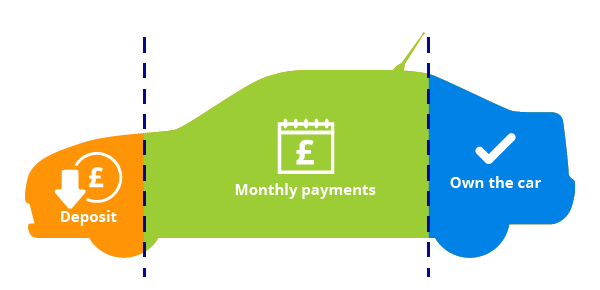
Hire Purchase used to be one of the most popular ways to purchase a vehicle but it’s popularity has decreased as it’s generally one of the most expensive ways to purchase a vehicle.

With HP, you pay a deposit towards the vehicle or trade in your old car, you pay a fixed monthly payment over a period, typically five years and then at the end of that period, and after paying a “registration fee”, the vehicle then becomes yours to do with as you will.

You cannot sell the car until you have paid off the finance. The interest rate is typically higher than a personal loan but it may be an option if you have a bad credit rating as dealerships are normally less fussy than banks about lending money. There is no mileage allowance and no penalties for damage, although that will affect the selling price after you have finished paying for the vehicle. Deposits can be quite sizable too.

I wouldn’t recommend this option unless the alternative options are not available to you.

Personal Contract Purchase (PCP)

PCP is a little bit more complicated than the other options.

Firstly you pay a deposit, then you pay a regular fixed amount over a period of your choice, typically 24 to 60 months (2-5 years). At the end of the agreement, you have the option to buy the vehicle by paying a balloon payment, or you can return the vehicle or exchange it for another vehicle.

The dealer will also give you a minimum future value figure that they believe the car will still be worth by the end of the agreement. If you buy the vehicle and the car is worth less than that minimum (based on their evaluation), they will refund the difference or put that money towards your next PCP deposit for a new car.

Lower monthly payments compared to HP or Personal Loan

Because you’re not paying the full value of the car, the monthly repayments are typically lower. You will agree to a mileage rate per year and if you have done more than the total miles agreed over the period, you will be charged an excess per mile if you return the vehicle but most people will trade in the vehicle for another shiny new car.

If you know that you will definitely want to keep the vehicle at the end of the period, PCP is the most expensive way to buy the car but if a lower monthly payment and flexibility is more important to you, PCP can be useful. You will sometimes be able to trade your vehicle in with your dealer early.

Dealers love you…

Dealers like PCP because most customers will come back and trade in their car to purchase another vehicle but it does mean you are at the mercy of their evaluations of the current value of your car unless you are willing to pay the balloon payment. The vehicle only belongs to you after paying the balloon payment.

PCP is normally only provided by dealers, so it’s harder to shop around, however you can use services like Car Wow that will pit dealers against each other to offer their best price PCP deal.

Usually, the dealer will buy back the vehicle for a figure that is greater than the balloon payment, so you will have equity that can be used as the deposit for your next PCP deal so you shouldn’t have to pay as big a deposit next time or you can still pay a deposit and the monthly payments could be lower.

Flexibility

PCP is flexible. Don’t have a big deposit? That’s ok, but the monthly payment will go up. Have a fixed monthly figure? You can increase the deposit or the dealer may make the balloon figure higher, however, the dealer needs to make sure that the balloon payment will likely be less than what they will be prepared to buy the vehicle back for at the end of the period.

It is possible for you to end up with negative equity at the end of the vehicle if the vehicle is worth less than the balloon payment so make sure you look at the difference between the balloon payment and guaranteed minimum future value and reject the deal if that minimum value is less than the balloon payment. Balloon payments are normally a significant sum of money and if you cannot afford to pay it but feel the dealer is offering you an unfair trade in price then your only option is to accept the offer or lose the vehicle for nothing.

The current state of things – everything is on fire!!!

PCP does give you an edge in the current market as residual values are high for many vehicles and there is a shortage of semiconductor supplies that modern cars rely on so it is unlikely the demand side push on prices is going to change over the medium term.

The lack of production during the COVID period, coupled with increased demand means dealers need more used cars to sell on their forecourts but there are a lack of cars coming through at the end of PCP or PCH deals meaning some dealers are offering customers the opportunity to trade their vehicles in for newer models earlier than under normal market conditions. Manufacturer discounts are disappearing but there is still some negotiating to be achieved with dealers that need cars to sell. Manufacturers are no longer allowing dealerships to buy vehicles themselves in order to meet sales bonus targets due to the general shortage so there are no pre-registered deals available, whereby new cars are discounted because you will be the second owner, not the first owner of the vehicle.

Personal Contract Hire (PCH)

With PCH you rent a new vehicle over a period between 1-4 years. When the vehicle is delivered, you pay an initial payment that is either, 3, 6, 9 or 12 times the agreed monthly payment before regular monthly payments for the duration of the term.

Like with PCP, you agree a set rate of mileage per year and if you have driven more miles when the vehicle is returned, you are charged an excess per mile. The vehicle is never yours. Some lenders will give you an option to buy the car at the end of the period but you will not know the price until the last three months of the deal and you have no guaranteed right to buy the vehicle. You must return the car in the same condition it was provided, with concessions for fair wear and tear but you may be charged for any excess damage. An assessor will inspect the vehicle with you when they pick it up.

Lowest monthly payments (typically)

The advantage of PCH is that the monthly payments are often cheaper than any other financial package. You can choose between including a maintenance package or not. Road tax is included but it’s your responsibility to service and MOT the vehicle per the manufacturers guidelines, unless you have a maintenance plan that includes this cost.

Some people don’t like leasing because you’re putting money into paying for the car but you never own it. This also means you’re not responsible for selling it and you may be able to afford a better car than you could with other finance options.

Shop around

There are a lot of leasing brokers online, and they’re very competitive. Typically they charge a fee around £300 for brokering the deal and this is paid up front but you do not pay the initial payment until the vehicle is delivered.

Mind the gap (insurance)

With all finance deals your need to remember that should the vehicle be stolen or written off, for any reason, you will still be liable to make the payments even though you have no car. If you have fully comprehensive insurance, which is an absolute must, then in the event of loss of vehicle the insurance company will pay out the current market value for the vehicle, which could be thousands of pounds less than the outstanding finance owed and you will be liable for that difference.

For this reason, it is essential that you get gap insurance to cover the gap between insurance payout and finance owed, plus your insurance excess and the cost of your next initial payment or deposit. Dealers will often offer this product to you but you will often find a better deal online. Make sure you check exactly what is covered, not all gap insurance policies are equal.

Check the cover length as well as the maximum pay out. When I took my last finance deal in 2019, I paid £214 for four years gap insurance with www.directgap.co.uk. The cover included up to £2000 deposit contribution should my vehicle be written off as well as unlimited gap protection.

What I do

This is how I obtain new cars. You do need to remember that you will need to save up for the next initial payment and also make sure that you can cover any damage penalties. PCH isn’t as flexible as PCP. If you wish to terminate early, you will be charge 50% of the remaining monthly payments.

A real world PCP versus PCH comparison
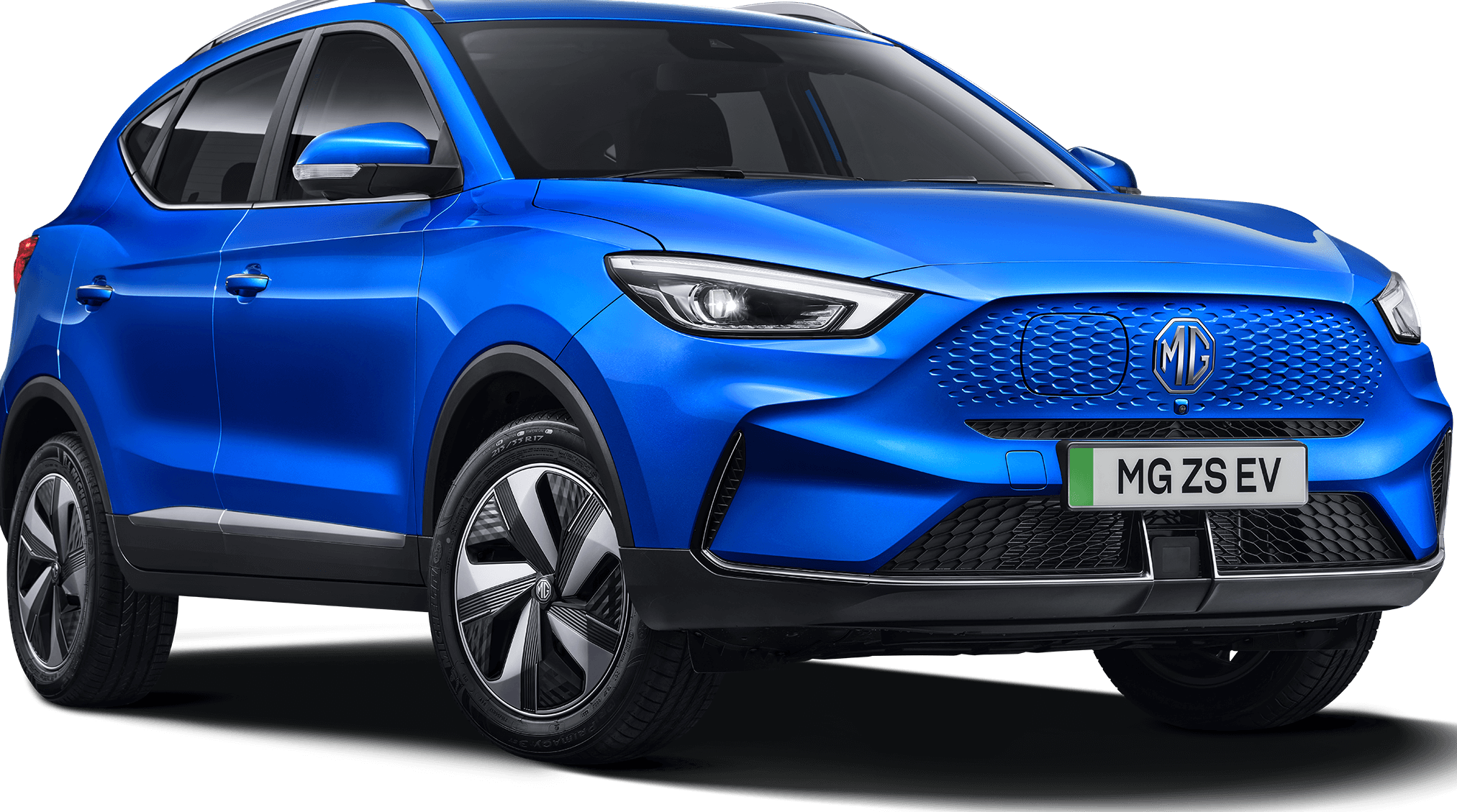
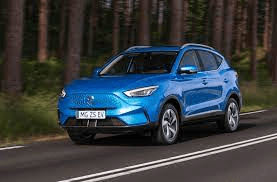
MG ZS EV

Just to give you a sense of comparison, I asked a local dealership for a PCP quote for an MG ZS EV Trophy Connect trim in Battersea Blue (the top trim) through their affinity discount scheme. The list price of the vehicle is £32,540.00 and I asked for a 4 year deal with a £3200 deposit and mileage allowance of 8000 miles per year. The dealer price was £412.08 per month.

Online I was able to find the same vehicle on a 9 month initial payment (£2,698.92), 4 year deal with the same 8000 mileage allowance for the price of £299.88 per month, making the total cost including a £360.00 admin fee £17,453.16 compared with £22,979.84 for the PCP offer. That’s a saving of £5,526.68 over the length of the deal.

The difference in cost over that period, would be enough to pay the same initial payment on the vehicle twice over, but I would have no equity to use towards the next deal. The balloon payment would have been £12,456.00.

Be flexible, friend

Lease prices change very quickly. The best way to get a great deal is to be flexible in terms of colours and not expect any excess. Fleets buy large number of vehicles in order to get big discounts with manufacturers but as the vehicles are often from stock rather than factory orders, numbers are limited. Always shop around and compare prices. Beware extremely low mileage deals as if your go over the agreed mileage the additional charge can soon add up.

The deal I mentioned with the MG ZS on PCH is no longer available and the new price at the time of writing is £424.08, which makes it more expensive than the PCP deal. This is why shopping around is so important. Get as many quotes as you can, you’re not duty bound to accept any of them.

Timing is everything

I happen to know that a new version of the ZS EV is due to start production in October so the price I found was likely to be an attempt to make way for the new model. Sometimes when you buy is important. Car registration plates change in March and September so late February and August used to be a good time to aim for before the supply issue forced prices up.

Anytime a new model is due to be released, the older versions are normally discounted so search owners forums and press releases for this kind of information. Knowledge is power. Dealers hate it when a customer comes in with all the information already at hand. Believe it or not, sometimes dealers are the last to know about these things.

Appreciating depreciation
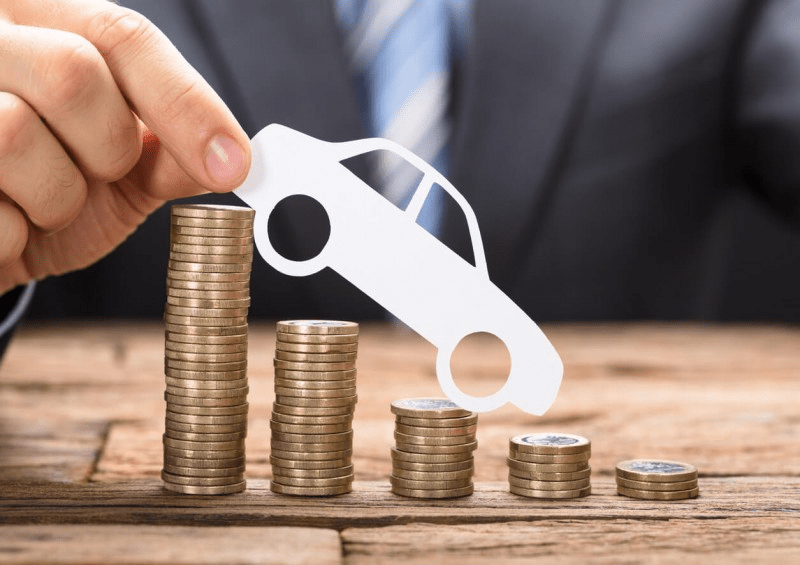
According to https://www.omnicalculator.com/finance/car-depreciation, assuming average depreciation in value, the vehicle would be worth £15,912.06 after four years, leaving equity of £3,456.06 towards the next vehicle so in this case, it looks like the lease would still be the cheaper option but that won’t always be the case and it is likely that a used EV under current market conditions will fare much better than average depreciation.

That is the fun with PCP, you need to be a fortune teller to guess what that buy back price will be and because you cannot sell the car unless you pay the balloon payment, you’re at the mercy of the dealership when it comes to buy back price. The better condition you keep the car in, the higher that future price will be so although in practice there are no damage penalties, in reality making good any damage will be factored into the price.

I am not loyal to any one brand of vehicle or dealership, I like to try different cars so for me, leasing keeps all my options open without having to obtain some sort of bridging loan to pay the balloon payment and then having the hassle of selling the vehicle privately but that’s just me. Your circumstances may be different. The most important thing to take from this is to do your own research. Don’t allow the dealer to confuse you with numbers. Don’t rush into an agreement immediately after viewing a car and falling in love.

Thanks for reading

I hope you have found this guide useful and informative. All information

In my next article, I will explain how I approach the whole process of obtaining my next car but I hope you have found this piece informative and useful.

EVs are not a solution to climate change

Back in the 1990s every child in Britain learned about environmental issues such as the hole in the ozone layer and deforestation of the Amazon rainforest through TV shows like Blue Peter and films like FernGully.

Ironically, the rise in the use of plastic bags was partially the result of an attempt to reduce the rate of deforestation but in life there are no free lunches, every decision we make has it’s consequences, such as the rise of plastic pollution in the worlds oceans.

That doesn’t mean that we shouldn’t try to reduce our impact on the planet, but it does mean we should carefully analyse our political decisions to find the best balance, understanding that there are no magic bullets, we cannot eat our cake without the calories and we cannot enjoy modern transportation without an ecological impact on the planet.

Back to the future

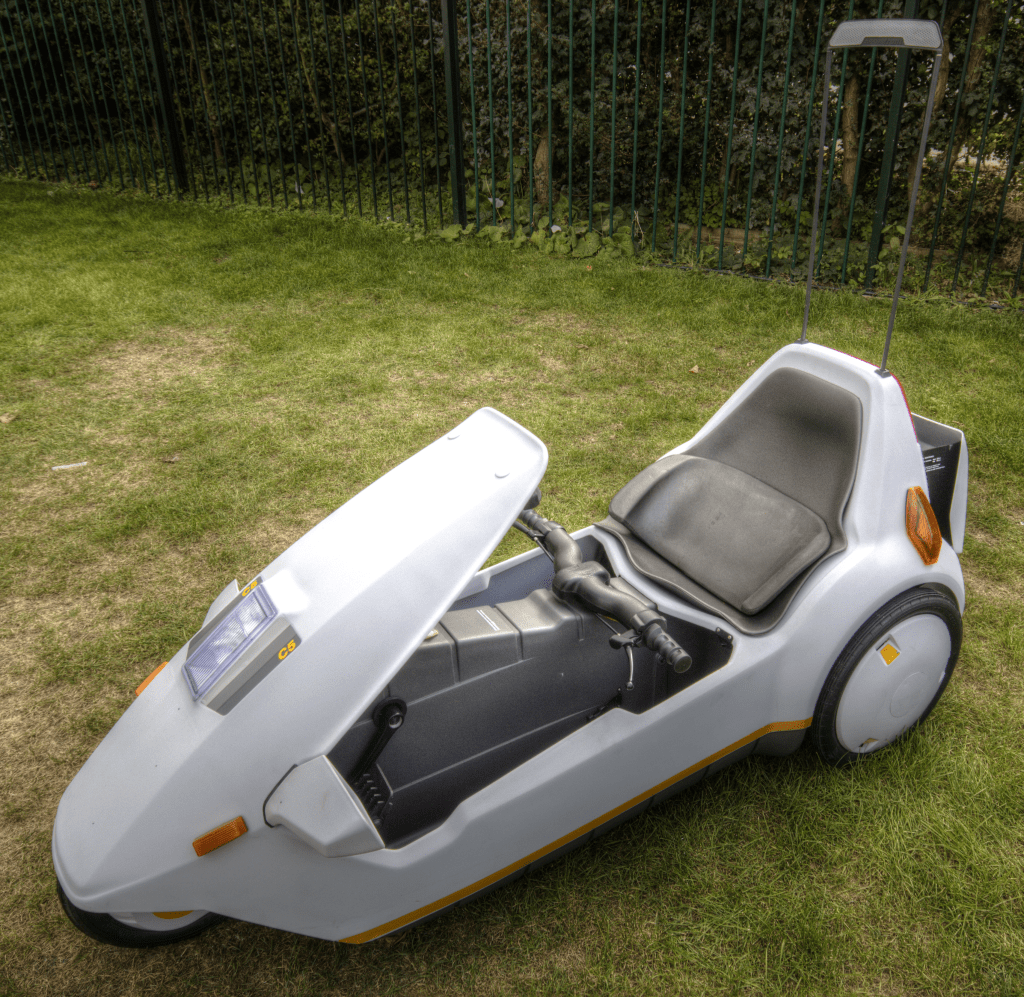
A Sinclair C5, EV 1983 style

Electric Vehicles are not a new idea. The Sinclair C5 was released in 1983 and milk bottles were commonly delivered in recyclable glass bottles by electric floats until supermarkets pushed the prices down in 4 pint plastic containers. Of course, the acid batteries powering those vehicles is much less efficient than the state of the art lithium ion battery packs we see today.

Beyond that, the Toyota Prius hybrid became very popular with high earning individuals that wanted to signal their commitment to the environment but didn’t want to swap the daily school run for a school walk in western suburbia.

Today, we even have categories of motor racing using purely electric cars and we can thank formula one for the technology of reclaiming energy whilst decelerating that exists on every vehicle powered by a battery array.

No ICE, ICE, maybe?

We’ve now reached the point where governments around the world now have policies mandating the cessation of the Internal Combustion Engine (ICE) in favour of electric motors, driven, allegedly, by the “climate emergency” facing our planet as carbon dioxide emissions, you know, the gas that plants photosynthesise and turn into oxygen, levels rise.

It reminds me of when the government started encouraging people to buy diesels. They produced less C02, they said. They get better MPG, they said. Then they discovered carbon monoxide and suddenly Diesels were evil and needed additional taxation, because “give us more money” always fixes pollution, right?

I’m not going to get into the science behind climate change here. That deserves it’s own thorough analysis, however, supposing we accept the narrative that carbon dioxide is solely responsible for the changing weather patterns of our planet, is mandating the rise of EVs the right solution? I will argue that it is not.

Hold those pitchforks, Elon fans

MG ZS EV

Before you grab your electric pitchforks, firstly let me explain that I have nothing against electric vehicles per se. In fact, I recently test drove an MG ZS EV and I loved it. There are a lot of positive things to be said about EVs, so lets start there first.

If you live in a smog engulfed city like Beijing where lots of kids are growing up with breathing issues like asthma and allergies, there is every reason to love the idea of taking all those nasty pollutants coming from the exhaust of hydrocarbon burning engines and making them disappear somewhere else. Modern catalytic converters with particulate filters do a great job of cleaning out the vaporised dinosaurs from our air, but zero emissions has to be better than some.

Electric vehicles are fun to drive and they perform better in urban environments with slow moving, start stop traffic than they perform at higher speeds, which makes them the opposite of a diesel vehicle. Guess what, most journeys these days are exactly those kind of short urban commutes, with the exception of the haulage industry.

Electricity is cheaper than regular fuel, in part because of the combination of fuel duty and VAT on petrol and diesel so the running costs can be much lower. Less moving parts means less things to go wrong in theory. The physical brakes get less wear too due to the kinetic energy reclaim braking system.

Even the downsides of a lower range can be a positive as people drive more frugally to eek out as much range as possible out of that battery, 60 mph becomes the new 70 mph, and with less concertina traffic jams, maybe our highways stay a little less clogged?

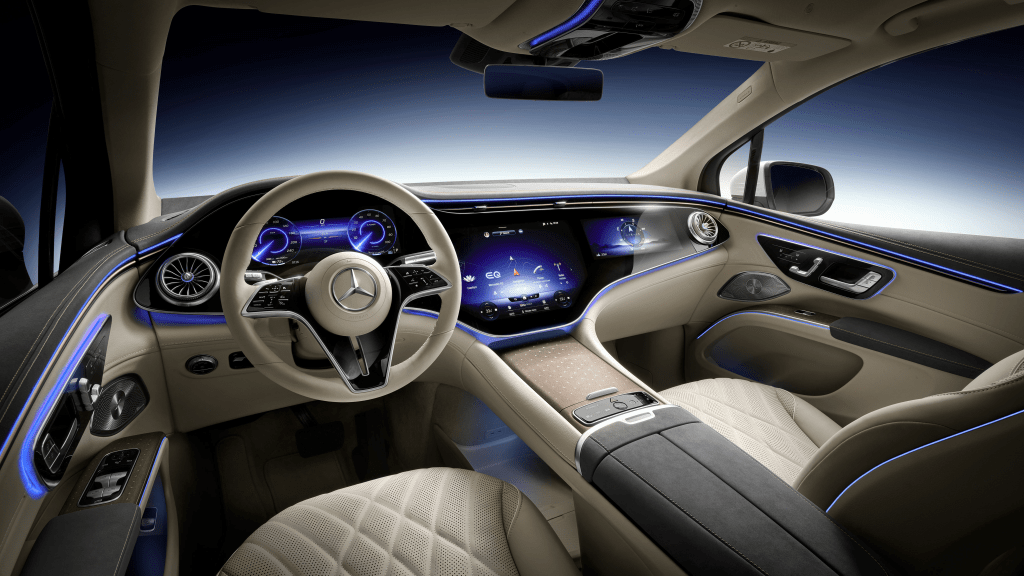
My next vehicle is going to be a hybrid and after that, I would happily take a fully electric vehicle. When it comes to driving, I’m more of a geek than a petrol head. I’m less fussed about 0-60 and more interested in how much technology I can get for my money. If anyone wants to buy me a new Mercedes EQS, I’ll love you forever.

My dream machine, a Mercedes EQS. Price starts at £100k. Yes, that wasn’t a typo, £100k

My criticism is more to do with the policy of banning ICEs and selling the message that this is a move to save the planet. Unless your planet is a car manufacturing plant, that’s a little bit of a stretch to say the least.

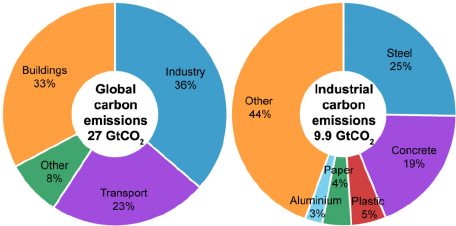
Where do C02 emissions come from

https://www.researchgate.net/figure/Global-emissions-of-carbon-dioxide-a-by-major-sector-and-b-within-industry_fig1_242582149

As you can see from the graph above, only 23% of the worlds carbon dioxide emissions come from transport, and that’s all transport including aviation and haulage, 36% comes from industry.

No, not this kind of coke

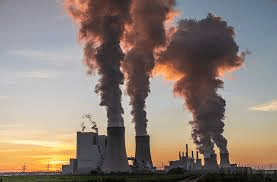
You will probably say yes, but we need to make any reductions we can across the board but here’s the thing, to replace all the ICE vehicles in the world, you’re going to need a lot more “gigafactories”, producing all the sub-components to make these new vehicles. You’re going to need a lot more aluminium, a lot more carbon fibre, a lot more lithium, cobalt and nickel, the three major components that make up lithium ion batteries and you’re also going to need a lot more coke, a bi-product of the crude oil distillation process that is used to make the anodes of car batteries.

Cash in the catalytic?

Car manufacturers be like…

I can see how creating this surge in demand for new vehicles is a great for boosting the economy and creating manufacturing jobs. If you are a manufacturer in the automotive industry, it’s great news but is it great news for the environment? Surely it would be better to take the make do and mend approach and keep older vehicles running as long as possible, reducing the need for new vehicles rather than this “enforced obsolescence” strategy we’re seeing governments take up now?

You will probably tell me that we can just get more efficient at recycling. We won’t need as much new material as we think once the switch over has settled down and old batteries will be recycled into new ones, and that’s certainly a possibility long term. I think we need to get smarter at recycling regardless of the EV question.

You could also point out that the new policies aren’t banning ICE vehicles, they’re only stopping more ICEs being made, second hand ICEs will continue to be available and will slowly disappear like other outdated technologies such as VHS, Compact Discs and even DVDs these days. I think that’s a fair point, however, we have seen the government use the carrot with special incentives to encourage people to swap their ICE for an electric motor but after the carrot comes the stick.

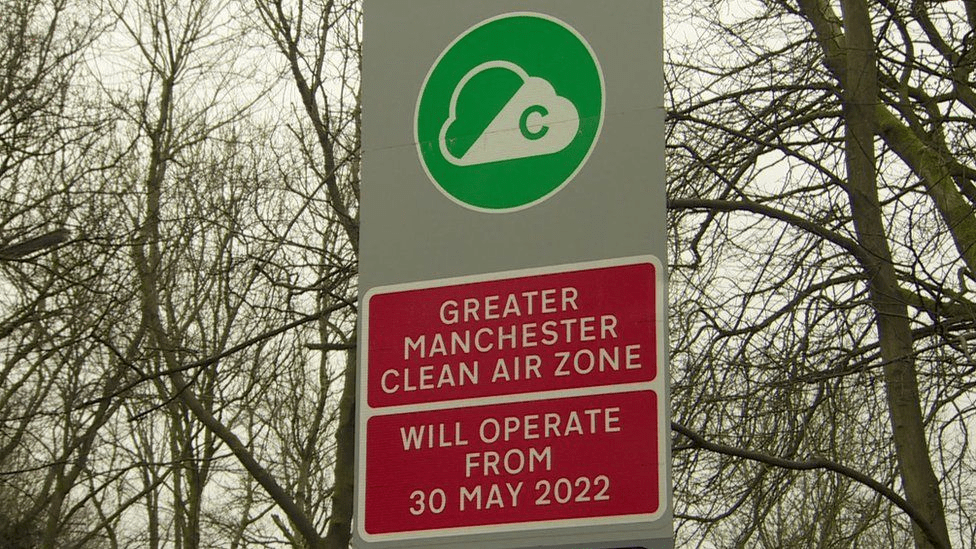
Cashing In, the Manchester Clean Cash, I mean Air, scheme

In my fair city, the council has been toying with the idea of “low emission” zones and other cities already have them in place. Today they penalise mainly business users with older engines, but once the general public have gotten used to those charges, I have no doubt that it will be extended to all passenger vehicles with combustion engine. The government is artificially manipulating markets to suit its political agenda. This isn’t new and it’s not always a bad thing, but in this case I believe the motive is at best misplaced, or at worse, a deliberate profiteering ploy.

If your motivations for “going electric” are to save money, taking advantage of government inducements such as subsidised vehicles (about to be discontinued), subsidised home charging point installation (now only for flats), free charge points facilities (most now charge), cheaper car tax (for now), and swerving the cost of fuel including the large percentage that is made up of taxation, then I don’t blame you but understand that these carrots are short term. The stick is coming…

Death and taxes

Do you really think that once the critical mass of vehicles on our roads are EVs, the government is going to accept the loss of revenue from fuel taxation or do you think they’re going to replace it with some form of per mile taxation? The old adage of death and taxes spring to mind, you can swerve them for a time but the grim reaper and the jolly taxman will both get you in the end!

Robin Hood in reverse, and I don’t mean dooH niboR

Personally, I don’t think incentivising the purchase of new electric vehicles was ever good use of public funds. Who buys new vehicles? You have to have significant fund to buy a new vehicle, so subsidising new vehicle sales is taking money from the general populous and giving it to those whom need it the least. There’s no incentive scheme for people buying second hand EVs.

I know what you’re thinking, if there aren’t enough people buying new EVs that there won’t be enough second hand vehicles on the market for used buyers, that is true, in fact, I will right a separate piece about the current state of the whole motor vehicle market. However, it still doesn’t sit right with me that taxpayers money should be used to advantage relatively well off people when it could be targeted at reducing inequality by promoting social mobility through education and training.

Where does electricity come from?

We live in a very sophisticated society where we turn the tap, and we know that fresh, clean water will come flowing out. We flush the toilet or put our bins out and we have no idea what happens to our waste products. We go to the supermarket and buy bits of animal or vegetation in shrink wrapped packaging and we have no idea what happened to get that product to our plates. We flick a switch and glowing light magically appears in our houses without the need for the sun or burning something.

In other words, we are completely disconnected to how all this stuff we depend on actually works. We are told that we can just switch to electric vehicles guilt free, knowing we’re not burning any of those horrible grumpy dinosaur juices we call fossil fuels, but where is that electricity really coming from?

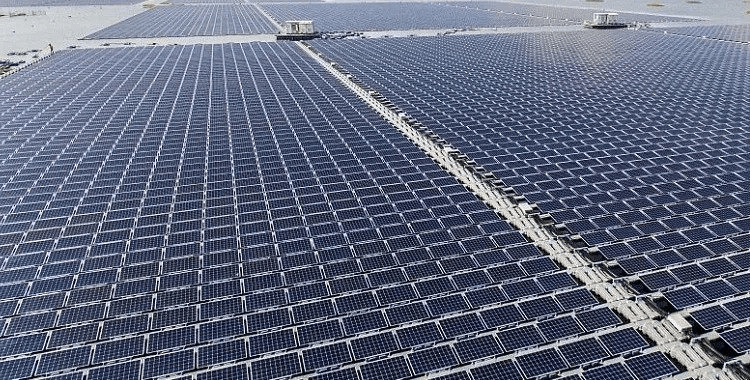
Is it from those lovely off-shore windfarms, at the end of a rainbow? Is it from those nice shiny solar panels that bring back memories of old calculators? Again, I have nothing against wind and solar energy but, just like with the plastic bags, we need to understand the ecological impacts.

These structures do not last forever and in the case of photovoltaic cells, they can be really difficult to recycle. In fact, there are areas of dessert filled with buried panels. Does this remind you of the plastic straws thing? It does to me. Ok, maybe that’s just a technology issue and over time we will get better at it. Solar cells made today are a lot more efficient and last longer than those made even 10 years ago, so lets hope that this evolution continues in the same way that ICEs continued to get more efficient and less pollutant, or at least the engineers worked out how to cheat the tests to make them look less polluting, cough, cough, VW Group.

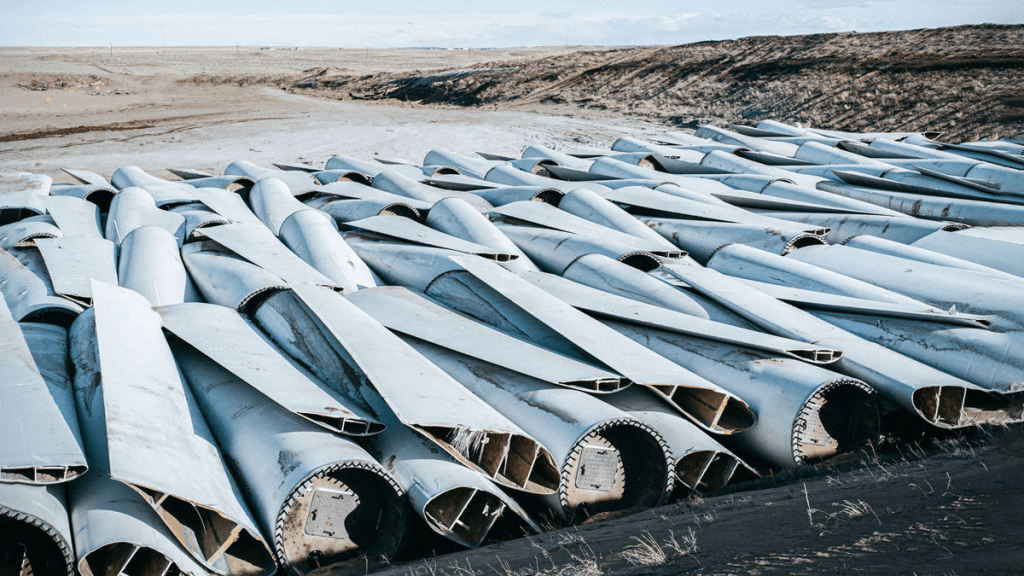
Turbine Tomb

However, wind farms are not without issue. We do not know what the long term impact is on marine life for off-shore windfarms or in deed migratory birds. If you’ve ever looked out to a wind farm at night you may have noticed that not all of them are turning even when it is sufficiently windy. This is partially because the turbines are sometimes arranged at different angles to optimise for different prevailing winds, partially due to maintenance being required and also partially because believe it or not, the turbines have operational ranges and sometimes won’t operate if the wind is going to cause damage to the electric motor.

Solar has similar issues. Solar farms require a lot of land (unless they’re the at sea floating ones). For them to operate efficiently, all vegetation and wildlife needs to be cleared unless you happen to have a convenient dessert to use. They need to be kept clean, which means lots of water use too. Unless you’re building them at the equator, which has been tried but is politically difficult, then you have limited hours of daylight to generate energy from.

People would get very upset if you told them that the light will come on, but only when the sun is shining or the wind is blowing. Does this mean we shouldn’t use these forms of “greener” energy? Of course not, but our grid needs to scale to meet increases in demand or periods where green generation was not possible.

Is the tide about to turn?

To be honest, it surprises me, particularly as an island nation, how little we have invested into tidal energy. Unlike the wind or sunshine, the gravitational pull from the moon on our oceans is constant. This has the best potential for green energy for us. We are not Iceland, we don’t have the advantage of geysers to generate power but we do have a lot of coastline. There’s still no free lunch, there are ecological impacts with marine life being sucked into turbines but there’s only one site in wales that I’m aware of that uses tidal power.

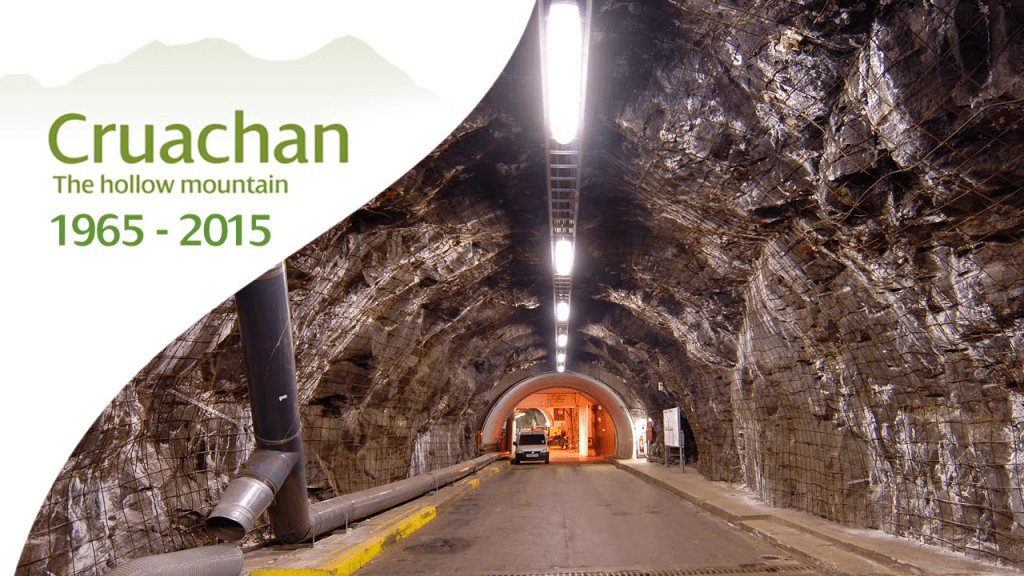
Hydro power is a good option for energy storage too. The problem with green energy isn’t just that you can’t crank it up when you need more power, sometimes it produces energy when you don’t need it. Hydro power plants like Cruachan in Scotland pump water from a loch up a mountain when excess energy is available then when demand is high, the energy is released through tunnels in the mountain, allowing gravity to turn turbines at the bottom of the mountain to generate energy. This is the closest we have to energy storage. It’s great, but once the reservoir at the top of the mountain is empty, there’s no more power until more water is pumped back up.

A power struggle?

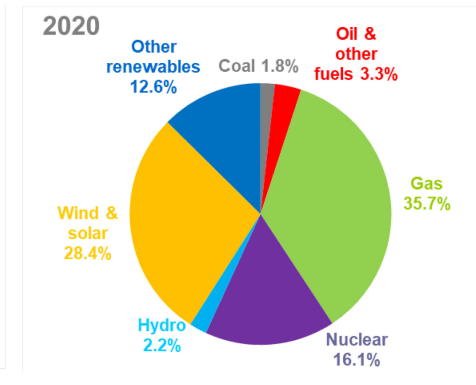
The reality is that in 2020, 56.9% of our energy was produced from non-renewable sources. Given that the demand for energy would increase significantly, particularly at night when solar energy is offline if we replaced all our ICEs with EVs, even with significant investment, we are going to actually end up increasing the rate at which we burn fossil fuels to generate that additional supply or alternatively, we are going to need to build more nuclear power plants.

I have absolutely no issue with increasing nuclear power capacity. It’s actually one of the cleanest and greenest sources of energy at our disposal and there is the prospect of improvement with Oxford scientists making breakthroughs in terms of nuclear fusion that could one day lead incredibly efficient power generation. In the meantime, we could invest in thorium reactors which use reprocessed nuclear fuel, i.e. waste products from existing power stations and decommissioned nuclear weapons. Unfortunately, groups like greenpeace do not like the idea of nuclear power, which leaves us only with burning hydrocarbons to fill the void.

By the way, that 12.6% other renewables is mostly bio-mass, i.e. burning your waste. It’s renewable but it produces the same kind of carbon emissions as burning dinosaurs. There are no free lunches. The emissions of power stations may be out of sight, out of mind, but that electricity that powers EVs is not coming from fluffy clouds and unicorns.

By the way, if you would like real time data on UK energy production, the Grid Watch website is an excellent source.

Don’t forget the batteries?

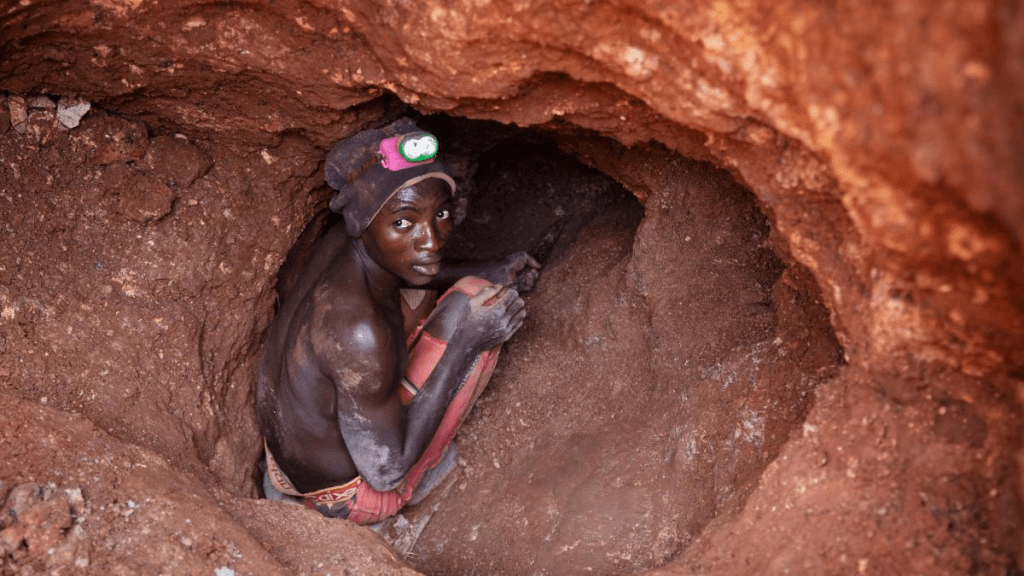
That EV is mine. The human cost of lithium batteries

I’ve already mentioned the finite natural resources needed to produce the lithium ion batteries used by today’s electric vehicles but another issue is weight.

When considering an energy source to propel a vehicle, there are three main considerations you need to factor in. Firstly, how much energy can you get out of that source. Secondly, how stable is that energy source. Thirdly, how much does is weigh. How much does it cost to produce and finally, are there any operating restrictions to its use. The most efficient fuels are a combination of these factors and it turns out that petroleum, diesel and kerosene were an excellent choice.

Nuclear car anyone?

If you want maximum energy density, nothing beats Uranium-235 with an energy density of 3,900,000 Mega Joules per Kilogram (MJ/Kg). By contrast petroleum is only 46 MJ/Kg. However, you probably wouldn’t want to be involved in a car accident with a nuclear power reactor in your vehicle. It’s great for submarines, especially the lack of dependency on oxygen for the reaction, but not vehicles.

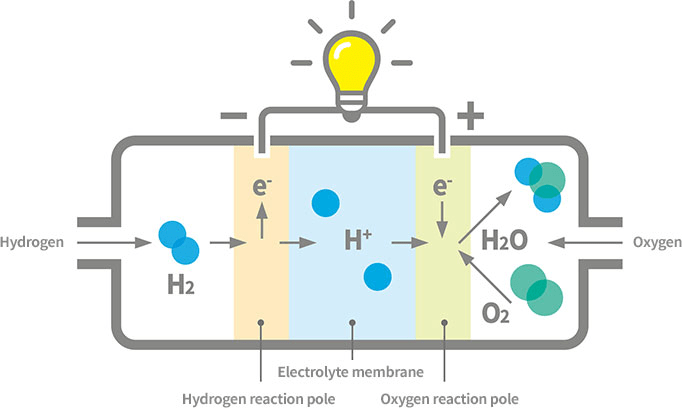
Selling the Fuel Cell

The next best option is hydrogen. Hydrogen is the most abundant molecule on the planet, it has an energy density of up to 141.86 MJ/Kg, but there are just three slight problems. The first is that in can explode even without exposure to oxygen, it’s very volatile hence the Hindenberg disaster. The second is to get decent energy density, it needs to be stored at high pressure and that requires heavy tanks. The third is that despite being abundant, hydrogen atoms are very excitable and like to share electrons with other atoms, such as water (H2O).

It actually takes a lot of energy to separate into a useable fuel. Most hydrogen fuel produced today is called grey hydrogen, i.e. it requires fossil fuels to produce it. If you have surplus renewable energy, you can produce green hydrogen but it’s still expensive as a fuel although the airline industry are considering it as a long term successor to kerosene.

The advantage of kerosene over diesel and petroleum is it’s high freezing point. When you’re flying at 40,000ft, the outside temperature can be as low as -75°C. You don’t want the fuel to freeze or become waxy. Due to the weight of the tanks required to store hydrogen, planes would need to be completely redesigned with delta style wings to cope with the added weight and volume of fuel required to achieve acceptable ranges.

Dirty dinosaurs, dense but delightful

You may be thinking how can petroleum and diesel be ideal fuels when the energy density is so low, but it’s stable, it has reasonable operational tolerances and it’s easy to transport. How does it compare to a lithium battery. Well, lithium ion batteries have an MJ/Kg energy density of between 0.36–0.875. Now you can see why they’re not very efficient.

The density is so low because of the weight. Let’s do a quick example. I recently test drove an MG ZS EV, which is also available as a petrol car. The petrol car has to include the weight of the engine, the exhaust system and all the other moving parts that an electric motor doesn’t need yet still, the heaviest automatic MG ZS weights 1730 Kg. What does the same vehicle with batteries and a motor weigh? 2060 Kg for the standard range option. The range of the EV is 198 miles with it’s 51 KWh battery compared to 388 miles (7.2 litre/100k with 45l tank = 625 Km or 388 miles).

You may say but those are WLTP figures, in real driving conditions you’re not going to get that many miles per tank and you are correct. However, the same is true of the electric range.

Another factor to consider is that if you drive a ICE vehicle with half a tank, it reduces the weight of the fuel, improving the range but an EV with 20% range weighs the same as an EV with 100% range. Both vehicles suffer degradation over age. An EV loses about 5% of capacity after about 7 years on average. It also loses range in cold weather and doesn’t perform well with extreme temperatures. Diesel expands in hot weather due to the additives and the engine will perform less efficiently over time.

A Renault Zoe EV

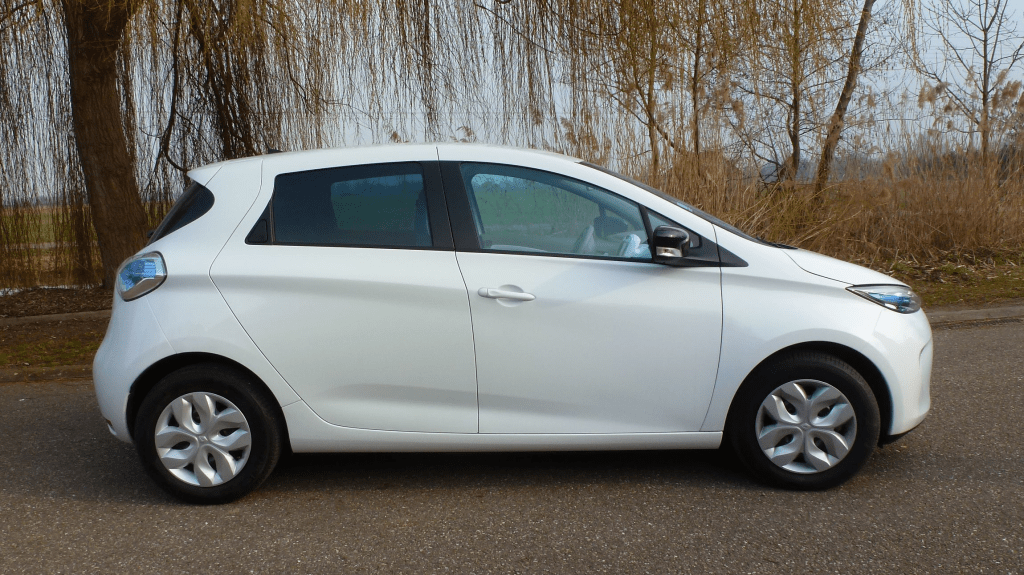
However, if you’re in a budget EV like a Renault Zoe with a 22KWh battery, you’re only starting with a maximum range of 150 miles to begin with. Range anxiety is an issue with EVs. The main problem is not the range but the fact that it can take one hour to charge to 80% at a 22 Kw charging station as opposed to the 5 minutes it might take to fill up a tank of fuel.

Again, you may think I’m being unfair here picking on the bargain basement original Zoe, it has improved since and you may point to the range and charging times of a Tesla but a Tesla Model 3 costs nearly £50,000 new. How many people are going to be driving cheap second hand Zoe’s or Leafs compare to the numbers driving Teslas?

Won’t someone please think about the poor motorists

If the fallaciousness of the environmental credentials of EVs is my primary concern, my second concern is the effect such policies will have on low income drivers. The stunted availability of supply in the second hand market is going to keep prices high so there will be fewer cheap run arounds available for people like carers and delivery drivers in the gig economy that need a vehicle to work but cannot afford more expensive electric vehicles, even if they have lower running costs.

Many motorists will be pushed out of the market all together and yes, you can argue that this is a good thing for the environment. Fewer drivers, fewer cars, greater uptake of public transport but how is that going to affect low paid carers that can’t get from one client to the next in a reasonable amount of time via public transport. You could argue the answer to that is better public transport, and I am conducive to that line of reasoning but I can see EVs and the cost of motoring in general becoming an indicator of relative poverty.

You may also argue that the answer is to pay better wages, but that means employers passing on those additional costs to their customers or employing fewer people to do the same work. Do we want to live with higher unemployment? Do we want small businesses that can’t absorb the additional costs to fail? Do we want a never ending cycle of increasing inflation until we reach a point where all faith is lost in the value of our currencies?

In the style of yoda, deep, the rabbit hole is.

If not EVs then what?

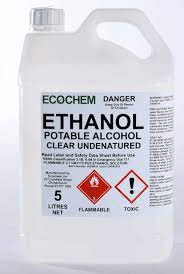
They said that alcohol is never the answer, turns out they were wrong

It’s very easy to criticise government policies like a heckler at a comedy gig, but it’s a lot harder to stand up and take the mic, or in this case, come up with a better policy for reducing the impact of carbon emissions from private motor vehicles without screwing over the poor, but one possible alternative is already out there.

It doesn’t involve replacing ICE vehicles with new, shiny but less efficient EVs. Not that I want to get rid of the EV market. It should continue to be an option for those that want them and in an environment where EVs and ICEs compete on the same terms, it encourages competition that might help lower the cost of EVs, which would be good for those of us that want them.

May I introduce to you, bio-ethanol. Actually, you’re already acquainted. Regular petrol sold at UK pumps mixed with five percent ethanol, with plans to increase to 10% soon. Ethanol has an energy density of 30 MJ/Kg, so it’s not as good as petrol but it is renewable and ethanol is produced from plants. Plants absorb as much carbon dioxide as burning ethanol so it is essentially carbon neutral and produces between 40% and 108% less green house gases depending on its source compared to fossil fuels. It’s cheap to produce and existing vehicles can be converted fairly cheaply to run on pure bio-ethanol. It needs upgraded to certain rubber hoses used as it’s more corrosive than standard petrol but compare the cost to the environment of brand new EV vs, replacing a few bits of rubber. You don’t have to be Einstein to work out it makes more sense, but less money for car manufacturers.

So what is the catch? Ok, so MPG figures are not quite as good, it’s low emission but not zero emission and it has been criticised because to make the fuel you need arable land to grow the crops, which means it could be competing with food production for land. If only there was some kind of plant that was massively abundant that could be converted to bio-ethanol without using up all that land, that would be a pretty neat solution, wouldn’t it. What, you can make bio-ethanol from algae, one of the most abundant plants on the planet?

A genuinely green fuel

“Algae in the oceans, rivers, and lakes of the world are thought to produce about half of all the oxygen produced on the planet. Those of us who appreciate breathing should offer the algae our thanks. Given that the total biomass of the world’s algae is but a tenth of the biomass of all the other plants” – https://link.springer.com/article/10.1007/s11027-010-9255-9

Countries like Brazil are already switching from dinosaur juice to sugar alcohol, so why the insistence on EVs and only EVs for a more sustainable future with lower emissions? What has happened to allowing customers choice and to decided for themselves without political interference? Maybe battery technology will improve so much in the next 20 years that EVs eventually win the day and ICEs are consigned to the history books, like beta max, and if that happens for the right reasons then I will drive my future electric car, and I will love it, but until that day, governments should not be destroying competition in the market by declaring a winner before the first round has even started. I think they’re backing the wrong horse. If graphene batteries come into fruition and drastically change those energy density calculations, and if nuclear fusion becomes viable, sure, EVs would undoubtable become the king of the concrete jungle, but to gamble on that now, before the technology exists is one hell of a risk

Unless you happen to be China, the country that singlehandedly produces the most carbon dioxide emissions in the world (29.18%), and also one of the largest lithium ion battery producers in the world. It makes great economic sense for China.

Says the man who nearly picked a Chinese EV for his next vehicle. I’m also quite partial to the odd prawn cracker too!